Retailers across various sectors are strategically reducing their product assortments, commonly referred to as stock-keeping units (SKUs), in an effort to enhance profitability and clean up their balance sheets. This trend comes as consumers pull back on spending due to elevated gas and food prices, prompting businesses to seek new levers for financial improvement and to satisfy investors. Numerous retailers have disclosed their SKU reduction initiatives during recent earnings calls.
Impact on Profitability and Strategy
Decreasing inventory can help businesses stabilize sales or return to growth, while also mitigating the risk of being stuck with unsold merchandise. Brands that struggle to sell certain items often resort to discounting, which erodes profit margins. Simeon Siegel, a senior retail analyst at Guggenheim Securities, stated, "If you have zero discounting, you're not taking enough fashion risk. But discounting needs to be fixing mistakes. It needs to be done quickly." Under Armour and Lululemon, for instance, are currently facing investor concerns over excessive markdowns. Under Armour's operating income turned negative in fiscal years 2025 and 2026, leading CEO Kevin Plank to declare a shift towards "fewer products with greater purpose, tighter execution and a clear reason to buy." Siegel noted that a retailer acknowledging a need to shrink revenue typically aims to regain pricing power.
Company Specific Adjustments
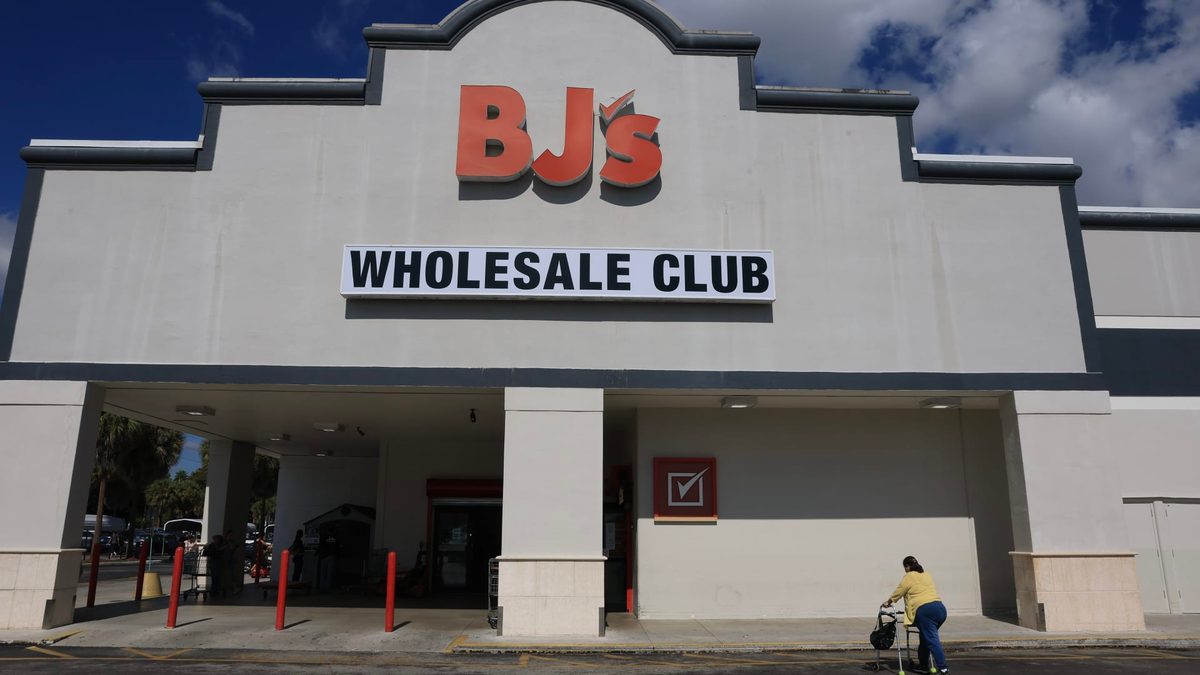
Several prominent retailers have already implemented significant SKU reductions. Dollar General reported trimming 1,500 SKUs by March 2026, building on a previous cut of 1,000 SKUs in June 2025. This move created more shelf space for best-selling products and improved the overall supply chain. Under Armour has reduced SKUs by 25% over recent years and plans a further 25% cut. BJ's Wholesale Club intends to reduce approximately 20% of its SKUs, with CEO Robert Eddy explaining that this strategy pushes sales towards remaining products and creates space for new categories. Lululemon cut its North America SKUs by 15%, though its operating profit fell by about $300 million from fiscal 2024 to 2025, even as sales grew by over $500 million during the same period. Siegel commented that for a brand like Lululemon, which saw $6.3 billion in U.S. sales in fiscal 2025, a healthy saturation level is typically between $3 billion to $4 billion in domestic revenue, beyond which a brand risks "cheapening the perception." Nike, an exception with $20 billion in North American sales in fiscal 2026, is also rebalancing its portfolio, having reduced revenue from classic footwear franchises by over $2 billion in fiscal 2026.
Challenges and Future Outlook
While reducing product variety can streamline operations for retailers like Dollar General and BJ's, it does not necessarily enable price increases. For these stores, the goal is often to better manage inventory and refine offerings. BJ's CEO Robert Eddy cited an example of removing "unnecessary choice" in soda products, such as carrying fewer container sizes for the same brand. However, successfully cutting products is complex in practice, as stores risk losing customers to competitors that still offer the scrapped items. BJ's acknowledged a previous SKU reduction attempt was unsuccessful, highlighting the nuanced approach required. Siegel concluded that it is challenging for companies to admit the need to shrink, especially revenues, but brands often hit a healthy peak and then decline if they force growth beyond that point.


No comments yet. Be the first to share your thoughts.