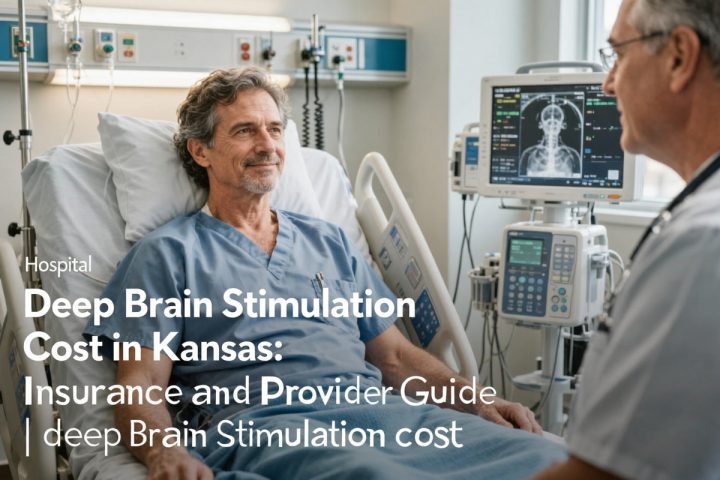
Deep Brain Stimulation (DBS) is a significant neurosurgical procedure that offers relief for individuals in Kansas suffering from movement disorders such as Parkinson’s disease, essential tremor, and dystonia. This advanced treatment involves implanting electrodes into specific brain areas to regulate abnormal electrical signals, particularly beneficial for those who do not respond adequately to medication. However, the financial commitment associated with DBS presents a substantial barrier for many patients and their families, requiring a thorough understanding of the costs, insurance nuances, and available providers within the state.
The total cost of DBS is not a single expense but a combination of several components. These include extensive pre-surgical evaluations, the surgical procedure itself, hospital facility fees, anesthesia, the hardware (such as the pulse generator and leads), and subsequent post-operative programming and maintenance. Long-term financial considerations also include potential battery replacements and revision surgeries, which add to the therapy's overall lifetime expense. Costs can vary significantly across Kansas, especially between urban centers like Wichita and Kansas City and more rural facilities.
Insurance Considerations
Navigating insurance coverage for DBS in Kansas demands patience and detailed preparation. While Medicare and many private insurers typically cover DBS when strict medical criteria are met, patients can still incur substantial out-of-pocket expenses. These costs depend on deductibles, co-insurance rates, and whether the chosen surgeon and hospital are within the insurance network. The approval process often requires rigorous documentation of symptom severity and evidence that conservative treatments have been unsuccessful.
Medicare Part B covers DBS for eligible patients over 65 with Parkinson's, essential tremor, or dystonia who meet clinical criteria. Beneficiaries are generally responsible for their annual deductible and 20% of the Medicare-approved amount, unless they have supplemental coverage. Private insurance plans often have similar coverage patterns but may require a trial period of medication management or that the procedure be performed at high-volume centers. Medicaid in Kansas, administered by the Kansas Department of Health and Environment, also covers DBS for eligible recipients, though the prior authorization process can be stringent, and co-pays or device limitations may apply. Patients are advised to contact their specific insurance carrier directly to verify benefits and understand any exclusions.
Device Technology and Provider Impact
The choice of neurostimulation device significantly influences the total DBS cost. Modern systems offer varying levels of sophistication, including directional leads for more focused stimulation and fully programmable systems. Hospitals and surgeons in Kansas typically partner with major manufacturers like Medtronic, Abbott, or Boston Scientific, each providing distinct product lines with different price points. While base hardware costs are negotiated between hospitals and manufacturers, these are ultimately passed on to the payer and patient.
Upgrading to advanced features, such as adaptive DBS, which automatically adjusts stimulation based on brain activity, can increase costs. Insurance coverage for these newer models may vary, with some plans classifying them as experimental, potentially requiring prior authorization or even denying coverage. Patients should discuss device options with their medical team to align clinical needs with financial realities.
Selecting the appropriate healthcare provider and facility also impacts both care quality and cost. Key institutions in Kansas known for functional neurosurgery include the University of Kansas Medical Center in Kansas City, Saint Luke’s Health System, and Ascension Via Christi in Wichita. While these top-tier facilities may have higher fees, their experience and case volume often correlate with improved surgical outcomes and fewer complications. Patients should consider a surgeon's experience and request detailed cost estimates from multiple facilities to compare charges for surgeon fees, anesthesia, and equipment.


No comments yet. Be the first to share your thoughts.